



Álvaro Vale e Azevedo*, M. João Falcão Silva*, Filipa Salvado*
* LNEC – National Laboratory for Civil Engineering, Lisbon, Portugal
ABSTRACT
As infrastructures age and urban populations grow, maintaining structural integrity and operational efficiency has become an increasingly pressing challenge. Traditional maintenance practices, often based on pre-defined theoretical plans, can result in inefficient resource allocation, higher costs, and an increased risk of unforeseen failures. Digital Twin technology provides a dynamic virtual representation of physical assets, enabling real-time simulations, condition-based forecasting, and scenario analysis. When performance data is available (collected from integrated infrastructure monitoring), this approach allows for continuous tracking of key indicators related to the structural service life of assets. This represents a significant evolution in infrastructure management, supporting more informed and strategic decision-making. It enables the adoption of a proactive maintenance approach, improving operational efficiency, reducing risks, and extending the lifespan of urban infrastructure. The integration of maintenance strategies with Digital Twin technology also aligns with sustainability principles by minimizing resource waste and reducing emissions associated with emergency corrective interventions.
This paper proposes the integration of maintenance strategies with Digital Twin technology to enhance asset and facility management in the Architecture, Engineering, Construction, and Operation (AECO) sector, contributing to the advancement of building and infrastructure management and positions emerging technologies as essential tools for future-ready cities. The study outlines implementation strategies, performance metrics, and scalability considerations applicable to a wide range of infrastructure systems.
KEYWORDS
Maintenance, Digital twin, smart building management
1. INTRODUCTION #
The rapid growth of urban populations and the resulting increase in infrastructure demand have intensified the challenges of maintenance and asset management in the Architecture, Engineering, Construction, and Operations (AECO) sector [1]. As existing infrastructures age, ensuring structural integrity and operational efficiency has become a priority for both public and private stakeholders [2,3,4]. Traditional maintenance methods, often based on theoretical plans or fixed schedules, are limited in addressing complexity and unpredictability of asset lifecycles. This can lead to inefficient resource allocation, high costs, and a higher risk of unplanned failures [5,6,7,8]. In this context, emerging technologies offer new possibilities for transforming urban asset management. Among these, the Digital Twin stands out. It is defined as a dynamic virtual representation of a physical asset, capable of reproducing its operating conditions in real time through the integration of sensors data, computational models, and simulation algorithms. Unlike static models, Digital Twins enable continuous monitoring of key performance indicators, forecasting based on real conditions, and degradation analysis or failure scenarios [9,10]. The integration of maintenance strategies and Digital Twin technology represents a significant advance in the AECO sector, enabling the transition from reactive practices to proactive and predictive approaches. This translates into greater operational efficiency, risk mitigation, and extended asset lifespans. Moreover, this integration aligns with sustainability principles by reducing resource waste and minimizing emissions associated with emergency and corrective interventions [11,12,13].
This paper examines the opportunities and challenges of incorporating Digital Twins into maintenance processes, discussing implementation strategies, performance metrics, and scalability possibilities. The aim is to contribute to the advancement of asset management in the AECO sector, positioning the Digital Twin as a strategic tool for the development of resilient and future-ready cities.
2. FRAMEWORK #
2.1 Maintenance #
Asset maintenance is a critical component of infrastructure management, directly influencing reliability, safety, and performance throughout the lifecycle. Traditionally, maintenance models fall into three main categories: corrective, preventive, and predictive [14,15,16,17]. Corrective maintenance consists of repairing failures only after they occur. Although straightforward, this approach carries high risks, as unexpected failures can generate significant costs and compromise the safety of users and operations [15,18,19]. Preventive maintenance seeks to reduce the likelihood of failures through scheduled inspections and interventions. Although this increases system reliability, it is not always efficient, since it may result in unnecessary replacements and additional costs [16,20]. More recently, predictive maintenance has gained prominence. Based on continuous asset monitoring it uses performance data to forecast failures before they occur. This approach is particularly relevant when combined with digital technologies, smart sensors, and real-time data analysis [15,16,21].
2.2 Digital Twin #
The term Digital Twin was originally introduced in the context of the product lifecycle management, and later expanded to multiple sectors, including manufacturing, healthcare, energy, and infrastructure. A Digital Twin is defined as a digital replica of a physical system, continuously updated through the integration of data collected in real time [22]. Its main characteristic is its dynamic nature: instead of representing a static model, it reflects the behaviour and actual state of the asset over time. This bidirectional connection between the physical and virtual systems enables advanced simulations, failure prediction, scenario analysis, and decision support [23]. In the AECO sector, Digital Twins are often associated with Building Information Modelling (BIM), which provides the geometric and informational basis of assets. However Digital Twins evolve beyond BIM by integrating real-time data from sensors and monitoring systems. This integration enables a continuous cycle of information collection, analysis, and feedback, supporting intelligent infrastructure and buildings management [24].
2.3 Integrating Maintenance and Digital Twin #
The integration of maintenance strategies with Digital Twins is an iterative process as represented in Figure 1. The adoption of Digital Twins in urban infrastructure maintenance has expanded in recent years, driven by the need to optimize resources, reduce unexpected failures, and support sustainable practices. Combined with IoT sensors, they allow real-time monitoring of critical parameters such as vibration, temperature, structural deformations, and energy consumption [22,24]. Case studies highlight their application in bridges, highways, railways, and smart buildings. For example, Digital Twins have been used to monitor the structural integrity of bridges in real time, enabling early interventions and extending the infrastructure’s lifespan. Similarly, in commercial buildings, they have been used to optimize HVAC and energy systems, resulting in significant reductions in operating costs [23].
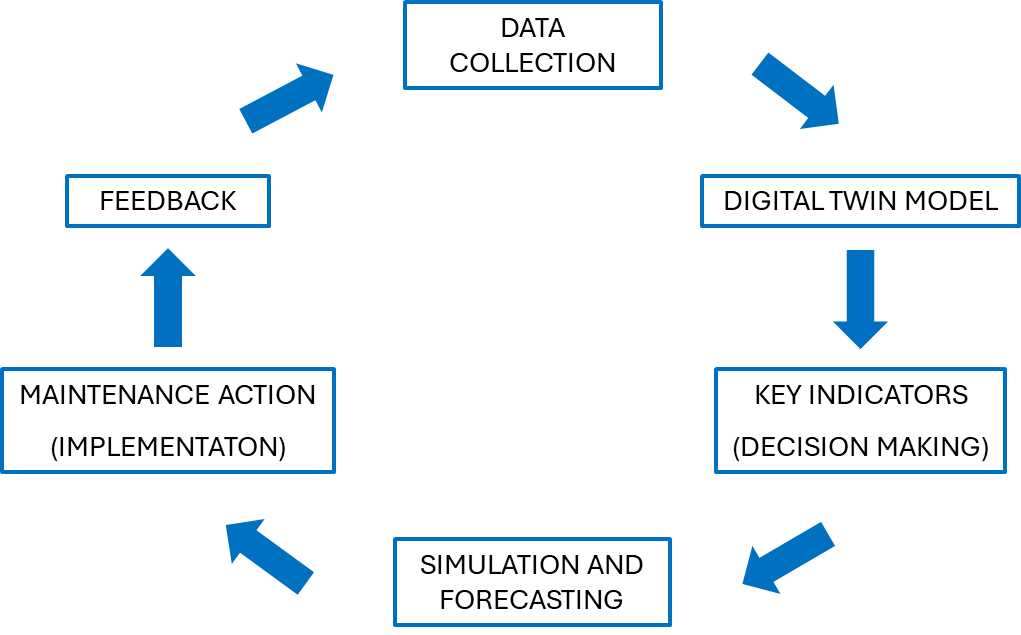
Figure 1 – Integrating maintenance and digital twin
Despite these advances, challenges remain for large scale adoption, namely: i) interoperability between different platforms and data standards; ii) high initial costs for implementing sensors, software, and digital infrastructure; and iii) the need for professional training to interpret complex data and make informed decisions based on digital models. Nevertheless, Digital Twins are expected to consolidate itself as a key technology in asset management, mainly due to its ability to integrate maintenance, operation, and sustainability into a single digital ecosystem [22,23,24].
3. METHODOLOGY #
The proposed methodology follows an asset-centric, risk-oriented approach, supported by emerging digital technologies, with emphasis on integrating maintenance strategies and Digital Twin modelling. This process is developed in progressive stages, involving data collection, virtual model construction, scenario simulation, and decision-making support [10,22,24]. At its core, the methodology establishes a continuous cycle of integration between the actual performance of urban assets and their digital representation. This cycle consists of four steps (Figure 2).

Figure 2 – Integration between the actual performance of urban assets and their digital twin
Through this approach, maintenance evolves from reactive or preventative to predictive and proactive, guided by digitally identified evidence and risks [10,11,15]. Table 1 describes the steps for implementing and operationalizing the methodology.
STEPS | DESCRIPTION |
1. Data Collection through Integrated Monitoring |
|
2. Construction of the Virtual Model (Digital Twin) |
|
3. Execution of simulations and performance prediction |
|
4. Decision-making based on key indicators |
|
Table 1 – Methodology implementation and operationalization
Table 2 presents complementary tools and technologies, to be used by this methodological process.
TOOLS/TECHNOLOGIES | DESCRIPTION |
IoT sensors | Devices embedded in assets for continuous collection of structural and environmental data. |
BIM models | Used to create detailed digital models of urban assets. |
GIS systems | Spatial integration of data and identification of territorial vulnerabilities. |
Data analysis platforms | Big Data and Machine Learning applied to failure prediction. |
Cloud infrastructure | Storage and processing of large volumes of data in real time. |
Table 2 – Tools and technologies
This structured methodology ensures a cyclical flow of monitoring, modelling, analysis, and decision-making, supported by digital technologies and aimed at increasing the resilience of urban infrastructures to risks and natural disasters.
4. IMPLEMENTATION STRATEGIES #
The integration of maintenance strategies with Digital Twin technology requires a systematic approach that considers technical, organizational, and strategic aspects. For feasibility in the AECO sector, a set of guidelines should be followed [6,8]. The first step is the integration into existing operations and maintenance processes. This involves the following steps [6,8,12]: i) digital twins should be gradually incorporated into already established operations and maintenance routines; ii) digital twins functions as an additional layer of intelligence, without immediately replacing conventional practices, but complementing them with real-time monitoring, performance predictions, and risk analysis; and iii) integration involves adjusting workflows so that data captured by sensors and digital models are translated into useful operational information for decision-making. After that, phased adoption models are suggested, and can follow a progressive process described in Table 3.
Regarding technical and organizational challenges, the large-scale adoption of Digital Twins for maintenance faces critical barriers that need to be addressed, namely: i) system interoperability (integration between BIM, GIS, IoT, and analytics platforms still presents compatibility limitations and common standards need to be established); ii) workforce training (operations and maintenance teams must acquire digital skills, including data interpretation, use of predictive platforms, and interaction with digital models); and iii) high initial costs (sensors, digital platforms, and data infrastructure require considerable investment and returns are expected in the medium term, the initial phase can be a hurdle for municipalities with limited resources) [6,12].
STEPS | DESCRIPTION |
Pilot projects |
|
Controlled expansion |
|
|
|
Table 3 – Phased adoption models
Depending on local contexts and technological maturity of cities, implementation can be conducted at three complementary levels: i) technical-operational (sensor installation, algorithm development, and integration with BIM/GIS models); ii) organizational (workflows adaptation, continuous team training, and creation of risk-based decision-making centres); and iii) strategic and political (inclusion in public policies, urban regulations, and innovative financing mechanisms) [8,12].
5. PERFORMANCE METRICS AND EXPECTED RESULTS
Defining performance metrics is essential to evaluate the effectiveness of integrating maintenance strategies with Digital Twin technology. Key Performance Indicators (KPIs) are structured across four core dimensions (operational, economic, sustainability, and resilience), incorporating both quantitative and qualitative criteria and are described in Table 4 [13,16].
METRICS | DESCRIPTION |
Operational efficiency |
|
Economic efficiency |
|
Sustainability and environment |
|
Urban resilience and social security |
|
Proposed KPIs |
|
Table 4 – Performance metrics
Table 5 presents the expected results, according to the four dimensions described and according to the KPIs defined [13,16].
RESULTS | DESCRIPTION |
Operational |
|
Economic |
|
Sustainability |
|
Resilience |
|
Table 5 – Expected results
6. CONCLUSION #
This paper has shown that integrating maintenance strategies with Digital Twin technology represents a milestone in the evolution of asset management in the AECO sector. By transforming the way infrastructure is monitored, analysed, and managed, the Digital Twins technology enable the transition from reactive and prescriptive practices to proactive and predictive approaches, improving operational efficiency and significantly reducing the risk of unexpected failures.
The results discussed indicate that this integration offers multiple benefits, including optimizing resource allocation, lower maintenance costs, extended asset lifespans, and improved resilience of urban infrastructure. Furthermore, aligning with sustainability principles, it reduces material waste and emissions associated with emergency corrective interventions. These outcomes reinforce the role of Digital Twin technology as an essential tool for developing smart and sustainable cities.
Nonetheless, several challenges remain, such as systems interoperability, high initial implementation costs, the need for professional training, and the adaptation of governance models to support advanced digital technologies. These challenges highlight the importance of gradual adoption strategies, starting with pilot projects and evolving to broader application scales.
Ultimately, the Digital Twin technology should be regarded not merely as a technological innovation, but as a new paradigm for urban asset management, capable of generating economic, social, and environmental value. By integrating with maintenance strategies, it expands the scope of planning and decision-making in the AECO sector, paving the way for strengthening urban resilience and building cities better prepared for future challenges.
REFERENCES #
[1] Duarte, M., Almeida, N., Falcão Silva, M.J., Rezvani, S. (2022). “Resilience Rating System for Buildings Against Natural Hazards”. In: Pinto, J.O.P., Kimpara, M.L.M., Reis, R.R., Seecharan, T., Upadhyaya, B.R., Amadi-Echendu, J. (eds) 15th WCEAM Proceedings. WCEAM 2021. Lecture Notes in Mechanical Engineering. Springer, Cham. https://doi.org/10.1007/978-3-030-96794-9_6.
[2] Rezvani, S., Almeida, N., Falcão Silva, M.J., Maletič, D. (2023a). “Resilience Exposure Assessment Using Multi-layer Mapping of Portuguese 308 Cities and Communities”. In: Crespo Márquez, A., Gómez Fernández, J.F., González-Prida Díaz, V., Amadi-Echendu, J. (eds) 16th WCEAM Proceedings. WCEAM 2022. Lecture Notes in Mechanical Engineering. Springer, Cham. https://doi.org/10.1007/978-3-031-25448-2_57
[3] Rezvani, S., Almeida, N., Falcão Silva, M.J (2023b). “Multi-disciplinary and Dynamic Urban Resilience Assessment Through Stochastic Analysis of a Virtual City”. In: Crespo Márquez, A., Gómez Fernández, J.F., González-Prida Díaz, V., Amadi-Echendu, J. (eds) 16th WCEAM Proceedings. WCEAM 2022. Lecture Notes in Mechanical Engineering. Springer, Cham. https://doi.org/10.1007/978-3-031-25448-2_62
[4] Rezvani, S., Falcão Silva, M. J., Almeida, N. (2024). “Mapping Geospatial AI Flood Risk in National Road Networks”. ISPRS International Journal of Geo-Information, 13(9), 323. https://doi.org/10.3390/ijgi13090323
[5] Salvado, F.; Almeida, N., Vale e Azevedo, A. (2019). “Historical analysis of the economic lifecycle performance of public-school buildings”. Building Research and Information. Vol.47:7, pp. 813-832.
[6] Roberts, C. J., Pärn, E. A., Edwards, D. J., & Aigbavboa, C. O. (2018). “Digitalising asset management: concomitant benefits and persistent challenges”. International Journal of Building Pathology and Adaptation, 36(2), 152–173. https://doi.org/10.1108/IJBPA-09-2017-0036.
[7] Vale e Azevedo, A., Salvado, F., Falcão Silva, M.J., Couto, P. (2022). “Maintenance and asset management integration in buildings for collective use”. Journal of Maintenance and Reliability Engineering (OMAINTEC Journal).
[8] Talebi, S., Wu, S., Elghaish, F., & McIlwaine, S. (2025). “Guest editorial: Industry 4.0 and the future of infrastructure operation and maintenance”. International Journal of Building Pathology and Adaptation, 43(1), 1–3. https://doi.org/10.1108/IJBPA-02-2025-233.
[9] Tao, F., & Qi, Q. (2021). “Smart city based on digital twins”. Computational Urban Science, 1(4). https://doi.org/ 10.1007/s43762-021-00005.
[10] Saeed, S., Ravid, Y., & Aharon-Gutman, T. (2025). “The uptake of urban digital twins in the built environment: A pathway to resilient and sustainable cities”. Computational Urban Science. https://doi.org/10.1007/s43762-025-00177.
[11] Lee, J., Kim, J., & Park, H. (2022). “Predictive maintenance using digital twins: A systematic literature review”. Information and Software Technology, 151, Article 107008. https://doi.org/10.1016/j.infsof.2022.107008.
[12] Unciano, N., & Khan, Z. (2025). “AI-Enabled Digital Twin Framework for Predictive Maintenance in Smart Urban Infrastructure”. Journal of Smart Infrastructure and Environmental Sustainability, 2(1).
[13] Zhou, Y., & Ho, P. (2025). “Enhancing asset management: Integrating digital twins for continuous permitting and compliance [Systematic literature review]”. Journal of Building Engineering, 99, 111515. https://doi.org/10.1016/j.jobe.2024.111515.
[14] Salvado, F.; Almeida, N., Vale e Azevedo, A. (2018). “Towards improved LCC-informed decisions in building management”. Journal of Built Environment Project and Asset Management, Vol. 8:2, pp.114-133. https://doi.org/10.1080/09613218.2019.1612730.
[15] Molęda, M., Małysiak-Mrozek, B., Ding, W., Sunderam, V., & Mrozek, D. (2023). “From Corrective to Predictive Maintenance—A review of maintenance approaches for the power industry”. Sensors, 23(13), 5970. https://doi.org/10.3390/s23135970.
[16] Zhu, T., Ran, Y., Zhou, X., & Wen, Y. (2019). “A survey of predictive maintenance: Systems, purposes and approaches”. arXiv. https://arxiv.org/abs/1912.07383.
[17] Vale e Azevedo, A., Couto, P., Falcão Silva, M.J., Salvado, F. (2021). “Information management and construction systems for Maintenance and Operation Digital Transformation”. OMAINTEC 2021 – 19th International Operations & Maintenance conference in the Arab Countries, 28-30 november, United Arab Emirates.
[18] Morow, L. C. (2019). “Maintenance and Asset Life Cycle for Reliability Systems”. In L. Kounis (Ed.), Reliability and Maintenance – An Overview of Cases. IntechOpen. https://doi.org/10.5772/intechopen.85845.
[19] Vale e Azevedo, A., Couto, P., Falcão Silva, M.J., Salvado, F. (2019). “Performance assessment of the Portuguese AECO sector based on Big Data management”. OMAINTEC 2019 – 17th International Operations & Maintenance conference in the Arab Countries, 19-21 outubro, United Arab Emirates.
[20] Vale e Azevedo, A., Falcão Silva, M.J., Salvado, F. (2023). “Reshaping maintenance and asset management skills towards digital transformation in Portugal”. OMAINTEC2023, 21st International Operations & Maintenance Conference in the Arab countries, 13-15 november 2023, Cairo, Egypt.
[21] Vale e Azevedo, A., Cabaço, A., Falcão Silva, M.J., Salvado, F. (2025). “Maintenance and Asset Management: Evolution, Big Data Integration, Digital Transformation and Future Challenges in the AECO Sector”. OMAINTEC2025. The 22nd International Asser, Facility and Maintenance Management Conference in the Arab Countries, 26-28 january, Jeddah.
[22] Grieves, M., & Vickers, J. (2017). “Digital Twin: Mitigating Unpredictable, Undesirable Emergent Behavior in Complex Systems. In Trans-disciplinary Perspectives on Complex Systems”. Springer.
[23] Haag, S., & Anderl, R. (2018). “Digital twin – Proof of concept”. Manufacturing Letters, 15, 64–66. https://doi.org/10.1016/j.mfglet.2018.02.005.
[24] Biagini, C., Bongini, A., & Marzi, L. (2024). “From BIM to digital twin: IoT data integration in asset management platform”. ITcon, 29. https://doi.org/10.36680/j.itcon.2024.049.


